

Rethinking Your Moulding & Millwork
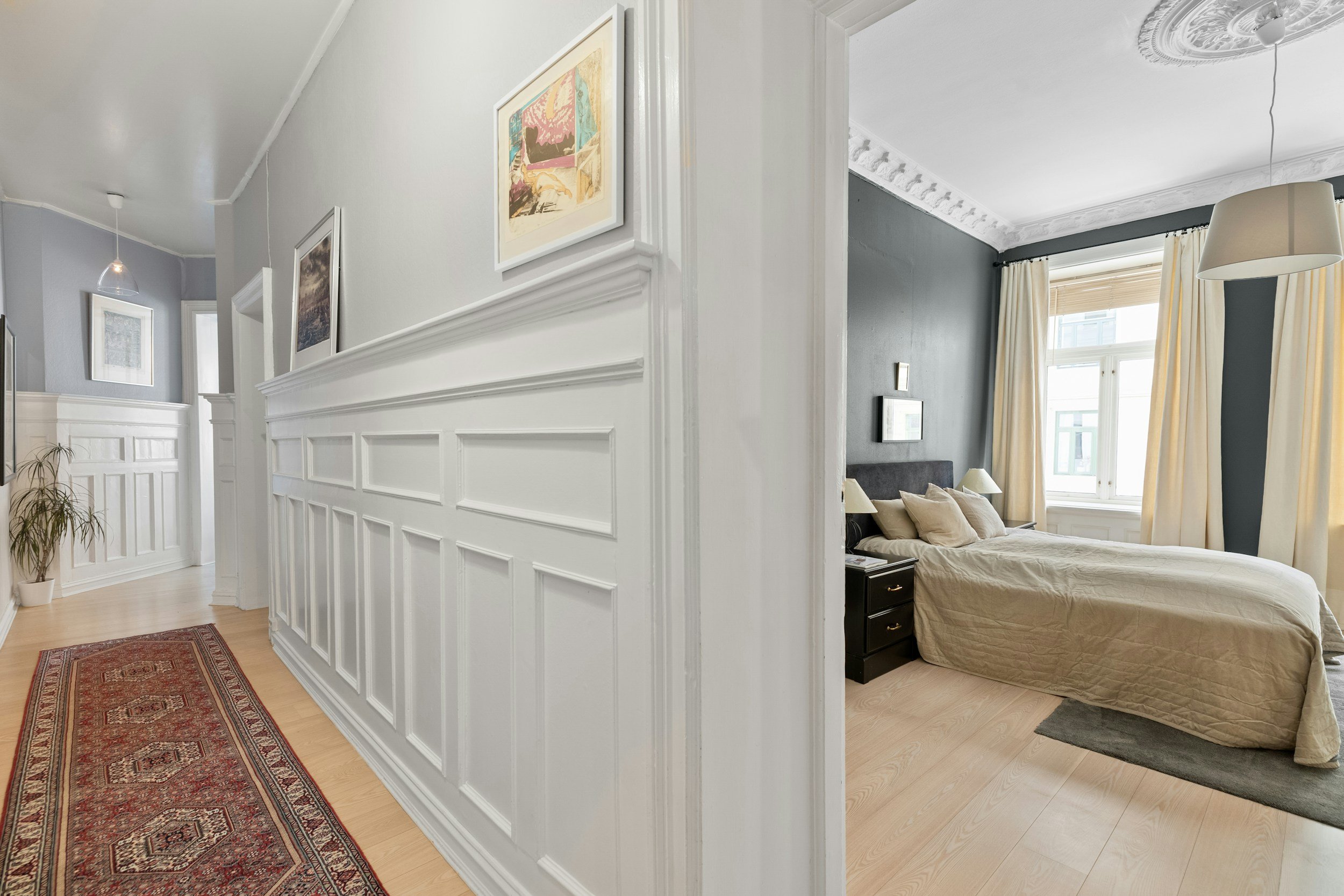
There was a time when trim was part of the architecture of a home, not simply the finishing detail around it.
Ornate baseboards grounded a room. Elaborate crown moulding carried gravitas from above. Chair rails, wall panels, and detailed casings enveloped even simple spaces with a dimension of weight and character. Over time, much of that detail has given way to the quick-and-easy; simplistic finishes have taken over today’s new builds.
Often in newer homes, trim has been reduced to little more than basic baseboards and plain casings, with crown moulding becoming increasingly uncommon. This streamlined design can be clean and functional, fitting for some contemporary styles, but often the result can seem bare and contribute to the builder-grade blandness that leaves a room feeling as though something is missing.
Bringing some of that character back doesn’t require recreating a historic interior or undertaking a major renovation. Whether adding thoughtfully selected moulding or simply reconsidering the color of what is already there, trim and millwork offer some of the most approachable ways to give an existing room more architectural presence.

The architecture your home might be missing can often be found in simple details.
Introducing structural detail doesn’t always mean committing to fully custom millwork. Moulding profiles can be sourced in an almost endless range of styles, scales, and price points, making myriad design options possible regardless of limitations. Simple stock profiles can create a clean, understated look, while more decorative options, such as dentil moulding or layered crown, can bring a distinctly traditional character. Profiles can also be combined and built up to create something that feels more substantial and tailored to the home.
Far beyond just baseboards and crown, millwork and trim encompass an array of selections for every area of the home. Picture-frame moulding can bring proportion and rhythm to an otherwise blank wall, while chair rails can divide a room visually or create a natural transition between finishes. Board and batten offers a more substantial architectural wall treatment, and beadboard can introduce texture and character in everything from bathrooms and mudrooms to kitchens and hallways.
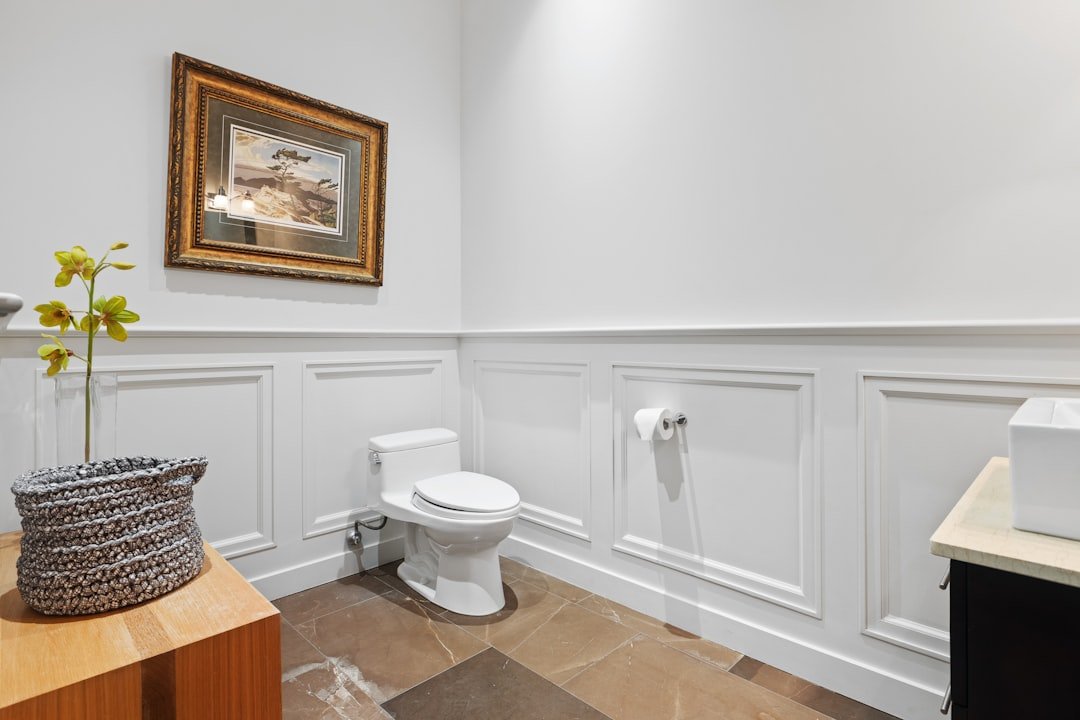
Adding new millwork isn't the only way to give these details a greater role within the room. Sometimes, the most effective update is simply reconsidering the finish of what is already there.
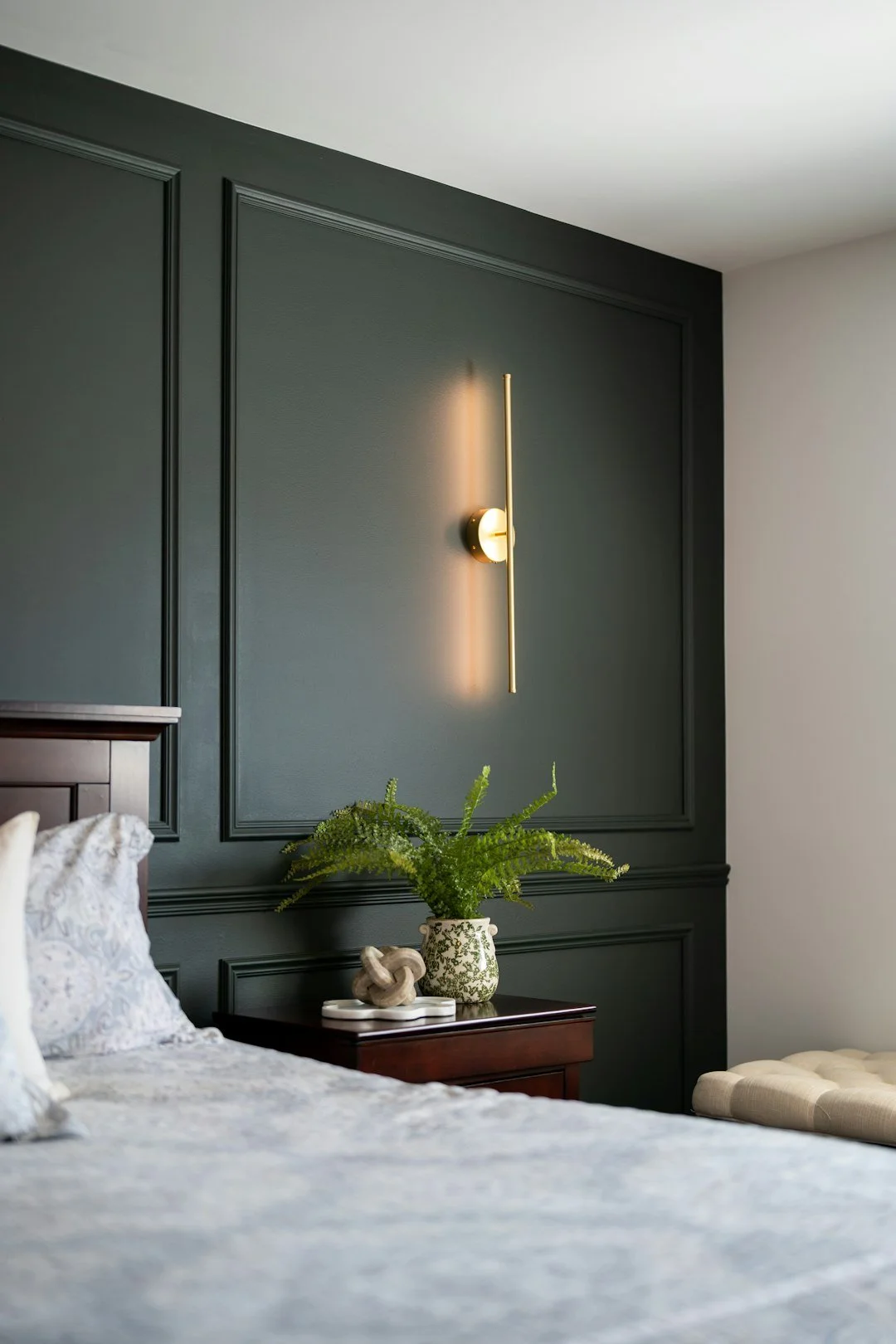
Trim has traditionally defaulted to white, but existing baseboards, casings, crown, doors, and other elements can take on an entirely different presence when painted in a contrasting or coordinating color. A deeper shade can give otherwise simple profiles more definition, while a softer tonal shift can create distinction without demanding attention. At the other end of the spectrum, color drenching carries the same color across walls and millwork, allowing the architectural details to emerge through dimension and subtle changes in sheen rather than contrast.
And the relationship doesn't have to begin and end with paint. Millwork can frame wallpaper, create transitions between different wall treatments, or provide a crisp architectural counterpoint to more organic finishes like limewash, Roman clay, or plaster. In those applications, the trim becomes part of a larger composition, helping the different materials within the room feel connected rather than considered separately.
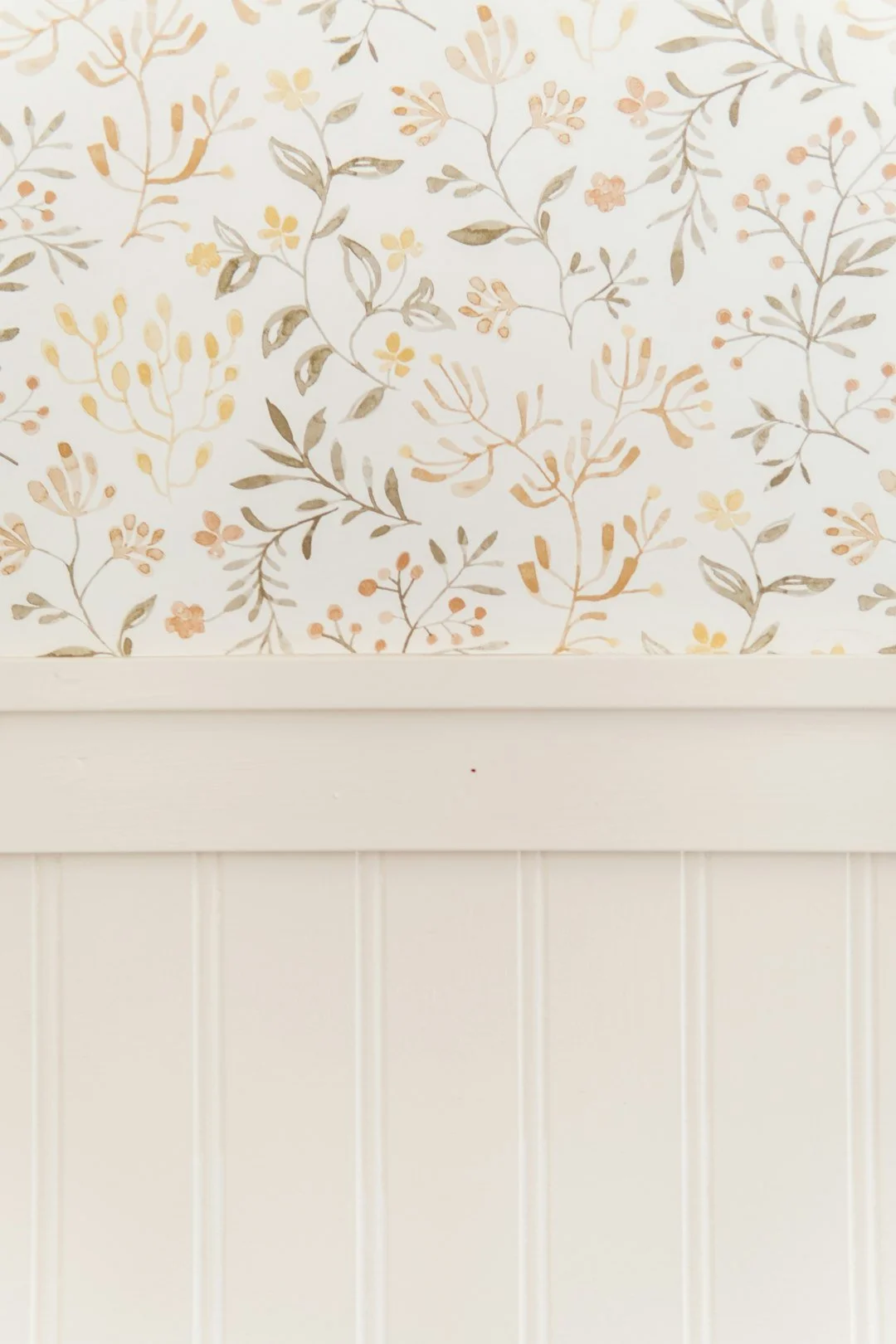
The finish of the trim deserves as much consideration as the trim itself.
Our Perspective
In many of our current projects, we're seeing homeowners and designers bring architectural detail back into rooms through relatively simple additions. Picture-frame moulding and chair rails are appearing frequently, often painted to match the surrounding walls so the added dimension feels integrated rather than ornamental. We're also seeing these details used as natural stopping points and architectural surrounds for wallpaper, allowing pattern and millwork to work together within the same design.
Color drenching remains another popular approach, with crown moulding, baseboards, doors, and window casings all finished to coordinate with the room as a whole. Rather than treating trim as something that automatically stands apart, these applications allow it to become part of the larger design.
Whatever the finish, whatever the choice, these selections can bring a level of depth and character to homes that could otherwise be filled with flat and unfeeling walls.
The goal isn't simply to add more detail. It's to choose the kind of detail that feels appropriate for the home. A restrained profile may be all a contemporary space needs, while a more traditional home can comfortably support greater scale and ornamentation.
Ultimately, the best millwork doesn't ask a home to become something it isn't. It simply gives its architecture a little more to say.